Comprehensive home renovations can do more than refresh the appearance of a property. When planned around how a home is used, a larger renovation can improve comfort, energy efficiency, functionality, and overall performance at the same time. Instead of making disconnected changes whenever a problem appears, homeowners can address multiple areas together and create a space that works better for everyday life.
Older homes may have outdated electrical systems, poor insulation, inefficient windows, aging plumbing, inadequate ventilation, or layouts that no longer suit the household. These issues can affect indoor comfort, increase energy consumption, and make the property more difficult or expensive to maintain. A well-planned renovation provides an opportunity to address these concerns while also updating finishes, fixtures, storage, and other features that contribute to a more practical living environment.
A whole-home renovation can also be planned with future needs in mind. Energy-efficient equipment, durable materials, improved lighting, better ventilation, adaptable spaces, and smart home technology can help a property remain comfortable and functional as household needs change. However, not every project needs to be completed at once. Prioritizing improvements based on the home’s condition, budget, and long-term goals can make the renovation more manageable.
In this guide, we’ll explore how comprehensive home renovations can improve comfort and efficiency, from upgrading major systems to making better use of available space. With careful planning and the right priorities, homeowners can create a more comfortable, efficient, and functional property while making improvements that provide lasting value.
Assess Current Conditions Before Planning Renovations
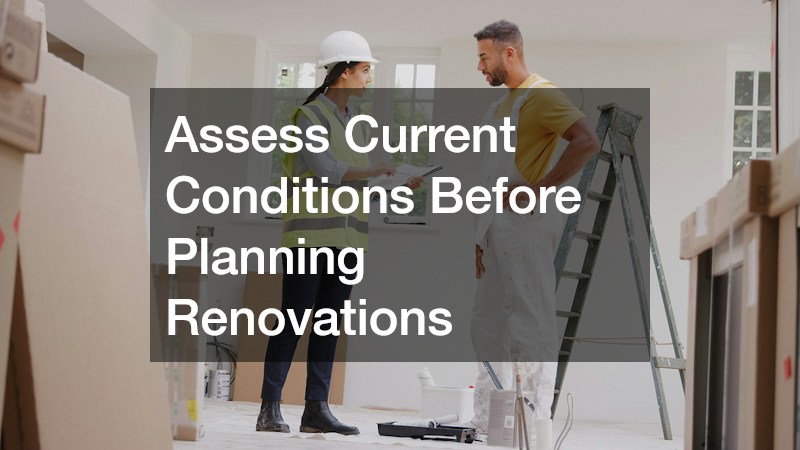
Before beginning any renovation project, it is essential to conduct a comprehensive evaluation of the home’s current condition. This process allows homeowners to identify areas that require attention and prioritize improvements that will have the greatest impact on comfort and efficiency. A structured approach to home remodeling helps ensure that no critical detail is overlooked.
Start by examining key systems such as insulation, ventilation, and structural components. Pay close attention to areas where drafts, moisture, or uneven temperatures are present, as these often indicate underlying inefficiencies. Outdated layouts and worn materials can also contribute to reduced functionality, making it important to assess both performance and design.
Working with experienced professionals can provide valuable insights into potential improvements. Experts can identify hidden issues, recommend practical solutions, and help create a realistic renovation plan that aligns with your goals.
Actionable tips for evaluating your home:
- Conduct a room-by-room inspection to identify inefficiencies and wear
- Document areas with temperature inconsistencies or moisture concerns
- Evaluate the condition of flooring, walls, and ceilings
- Consider how current layouts impact daily routines
- Develop a phased home remodeling plan to address priorities effectively
Taking the time to evaluate your home thoroughly ensures that renovation efforts are targeted, efficient, and aligned with long-term goals.
Improve Structural Integrity to Support Long-Term Efficiency
A home’s structural integrity plays a critical role in maintaining comfort and efficiency. Issues such as cracks, settling, or moisture intrusion can lead to significant problems if left unaddressed. Strengthening these foundational elements ensures that other renovations perform as intended and deliver lasting results.
One of the most effective ways to protect a home is through proper foundation sealing. This process helps prevent water infiltration, reduces the risk of mold growth, and improves overall insulation. Additionally, investing in professional basement waterproofing services ensures that below-grade spaces remain dry and usable, even during periods of heavy rainfall or snowmelt.
Moisture control is essential for maintaining indoor air quality and preventing structural damage. When water is allowed to penetrate foundational elements, it can weaken materials and create an environment conducive to mold and mildew. Addressing these issues early helps protect both the home and its occupants.
Key strategies for strengthening structural performance:
- Inspect foundation walls for cracks, gaps, or signs of movement
- Address drainage issues around the home’s exterior
- Install moisture barriers to reduce water infiltration
- Schedule regular inspections to monitor changes over time
- Invest in professional solutions such as foundation sealing and basement waterproofing services
By prioritizing structural improvements, homeowners can create a stable and efficient foundation for all other renovation efforts.
Upgrade Roofing Systems for Energy Efficiency and Protection
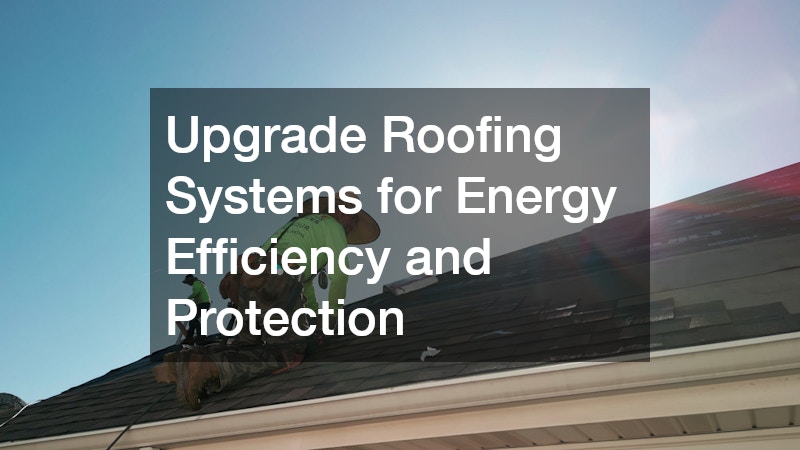
The roof is one of the most important components of a home, serving as the first line of defense against environmental elements. An outdated or damaged roof can lead to energy loss, water damage, and reduced indoor comfort. Upgrading roofing systems is a critical step in improving both efficiency and long-term durability.
Working with a local roofer allows homeowners to select materials and designs that are well-suited to regional climate conditions. This expertise ensures that the roof performs effectively throughout the year, providing reliable protection and insulation. In addition, professional roofing services help guarantee proper installation, which is essential for maximizing the lifespan of the roof.
Modern roofing materials offer improved energy efficiency by reflecting heat and enhancing insulation. These advancements can significantly reduce heating and cooling costs while maintaining a comfortable indoor environment.
Tips for optimizing roofing performance:
- Inspect shingles and flashing for signs of wear or damage
- Upgrade insulation to reduce heat transfer
- Choose materials designed for energy efficiency
- Ensure proper ventilation to prevent moisture buildup
- Schedule regular maintenance with a local roofer and trusted roofing services
Investing in a high-quality roofing system enhances both comfort and efficiency while protecting the home from potential damage.
Enhance Exterior Protection and Insulation With Siding
Exterior siding plays a vital role in protecting the home and maintaining consistent indoor temperatures. Damaged or outdated siding can lead to energy loss, moisture intrusion, and reduced curb appeal. Upgrading this component improves both performance and aesthetics.
Experienced siding contractors can help homeowners select materials that provide superior insulation and durability. Proper siding installation ensures that the exterior barrier is secure, minimizing gaps and preventing drafts. This contributes to a more stable indoor environment and lower energy consumption.
Modern siding options are designed to withstand harsh weather conditions while requiring minimal maintenance. These materials not only enhance protection but also improve the overall appearance of the home.
Best practices for siding upgrades:
- Evaluate current siding for cracks, warping, or fading
- Choose materials with strong insulating properties
- Ensure proper sealing during siding installation
- Work with qualified siding contractors for optimal results
- Schedule periodic inspections to maintain performance
Upgrading siding is an effective way to improve energy efficiency while enhancing the home’s exterior appeal.
Optimize Interior Comfort With High-Quality Flooring Solutions
Flooring has a significant impact on both comfort and functionality within the home. Worn or outdated materials can reduce insulation, create uneven surfaces, and detract from overall aesthetics. Upgrading flooring is an opportunity to enhance both performance and visual appeal.
Investing in hardwood floor installation provides a durable and timeless solution that improves insulation and adds value to the home. In areas such as garages or utility spaces, epoxy garage floorings offer a practical and low-maintenance alternative. These surfaces are resistant to moisture, stains, and heavy use, making them ideal for high-traffic environments.
Selecting the right flooring materials for each space is essential for achieving optimal results. Different areas of the home have unique requirements, and choosing materials that align with these needs ensures long-term satisfaction.
Tips for selecting and maintaining flooring:
- Match materials to the function of each room
- Prioritize durability in high-traffic areas
- Consider insulation properties for improved comfort
- Maintain floors regularly to extend their lifespan
- Work with professionals for hardwood floor installation and epoxy garage floorings
Upgraded flooring enhances both comfort and efficiency, contributing to a cohesive and well-designed interior.
Improve Functionality With Durable and Efficient Surface Solutions

In addition to traditional flooring options, specialized surface solutions can further enhance the functionality of a home. These materials are designed to withstand heavy use while providing a clean and polished appearance.
Partnering with an experienced epoxy flooring company allows homeowners to explore advanced solutions for garages, basements, and workspaces. These surfaces are highly durable, resistant to moisture, and easy to maintain, making them an excellent choice for areas that require enhanced performance.
Beyond durability, these solutions also contribute to improved efficiency by reducing maintenance requirements and extending the lifespan of the flooring. This makes them a practical investment for homeowners seeking long-term value.
Key considerations for surface upgrades:
- Identify areas that experience heavy wear and tear
- Choose materials that resist moisture and staining
- Prioritize low-maintenance solutions
- Ensure proper installation for maximum durability
- Consult with a professional epoxy flooring company for tailored recommendations
Durable surface solutions provide both functional and aesthetic benefits, supporting a more efficient and comfortable home environment.
Integrate Renovations for Whole-Home Efficiency Gains
Comprehensive renovations are most effective when individual upgrades are integrated into a cohesive plan. Rather than addressing each project in isolation, combining improvements allows homeowners to maximize efficiency and achieve better overall results. A coordinated approach to home remodeling ensures that all systems work together seamlessly.
For example, improving insulation, upgrading windows, and enhancing structural components simultaneously can significantly reduce energy consumption. Similarly, aligning interior and exterior upgrades helps create a consistent and harmonious design throughout the home.
Collaboration between contractors and service providers is essential for successful integration. Clear communication and careful planning help prevent conflicts and ensure that each aspect of the renovation contributes to the overall goal.
Strategies for integrating renovations:
- Develop a comprehensive plan that includes all major upgrades
- Coordinate timelines to avoid delays and inefficiencies
- Align design elements for a cohesive aesthetic
- Monitor progress to ensure quality and consistency
- Leverage home remodeling expertise to connect all improvements
An integrated approach enhances both comfort and efficiency, delivering results that exceed the sum of individual upgrades.
Plan Renovation Projects to Minimize Disruptions and Maximize Results
Effective planning is essential for ensuring that renovation projects are completed on time and within budget. Without proper coordination, projects can become disorganized, leading to delays and increased costs. Taking a proactive approach helps streamline the process and improve outcomes.
Coordinating tasks such as roofing services and working with siding contractors requires careful scheduling. By organizing these efforts strategically, homeowners can minimize disruptions and ensure that each phase of the renovation progresses smoothly.
Clear communication with contractors is also critical. Establishing expectations, timelines, and responsibilities helps prevent misunderstandings and ensures that everyone involved is aligned with the project goals.
Tips for efficient project planning:
- Create a detailed timeline for each phase of the renovation
- Coordinate roofing services with other exterior upgrades
- Communicate regularly with siding contractors and other professionals
- Track progress and address issues promptly
- Allow flexibility for unexpected challenges
Well-planned projects reduce stress and ensure that renovations deliver the desired improvements in comfort and efficiency.
Maintain Renovation Improvements for Long-Term Comfort
Once renovations are complete, ongoing maintenance is essential for preserving their benefits. Regular upkeep helps ensure that improvements continue to perform effectively and deliver long-term value.
Scheduling routine inspections for systems such as basement waterproofing services and maintaining foundation sealing can prevent issues from developing over time. Proactive maintenance not only protects the home but also reduces the need for costly repairs in the future.
Developing a maintenance plan that includes seasonal checks and regular servicing helps homeowners stay on top of potential concerns. This approach ensures that all aspects of the renovation remain in optimal condition.
Maintenance best practices:
- Inspect key systems regularly for signs of wear or damage
- Maintain basement waterproofing services to prevent moisture issues
- Monitor foundation sealing for effectiveness over time
- Address minor problems before they escalate
- Keep detailed records of maintenance and repairs
Consistent maintenance preserves the comfort and efficiency achieved through renovations, ensuring lasting results.
Make Your Renovation Deliver Long-Term Results
A successful renovation does not end when construction is finished. Once the work is complete, homeowners should take time to understand how the updated spaces and systems perform in everyday use. Keep records of major installations, warranties, maintenance requirements, and completed work so future repairs and upgrades can be planned more easily.
It is also worth reviewing the results of the renovation over time. Changes in energy use, indoor temperature, ventilation, water consumption, and maintenance needs can provide useful information about which improvements are working as expected. If certain areas continue to cause problems, they can be addressed as part of a future improvement plan rather than overlooked.
Regular maintenance is equally important for protecting the benefits of a major renovation. Equipment should be serviced according to manufacturer recommendations, building components should be inspected periodically, and minor problems should be addressed before they affect newly renovated areas.
A thoughtful renovation should continue providing value long after the contractors leave. By maintaining the improvements, monitoring how the home performs, and adapting the property as your needs change, you can preserve a more comfortable, efficient, and functional living environment for years to come.