In today’s world, energy efficiency in homes is more important than ever. Not only does it allow homeowners to reduce their environmental impact, but it also significantly decreases energy bills. Making energy-efficient improvements is a win-win for homeowners and the planet, enhancing comfort, reducing costs, and contributing to a sustainable future.
1. How do garage door replacements improve energy efficiency?
1.1 Benefits of Insulated Garage Doors
Insulated garage doors play a crucial role in maintaining indoor temperatures, which helps reduce energy consumption. By acting as a barrier against outside temperatures, these doors minimize the need for heating and air conditioning systems to work harder. This upgrade leads to substantial energy savings and enhances overall home comfort.
Furthermore, insulated garage doors can help prevent the ingress of unwanted elements such as dust and humidity, further protecting a home’s interior environment. This additional layer of protection increases the lifespan of goods stored in the garage, while also reducing the maintenance needed on internal facilities. It proves beneficial in both hot and cold climates, providing insulation where it is typically absent.
Modern designs offer various styles in insulated garage doors, which means you can improve energy efficiency without sacrificing aesthetics. These doors use advanced materials that are not only durable but eco-friendly. Investing in a quality garage door replacement can therefore be a stylish and sustainable choice for eco-conscious homeowners.
1.2 Choosing the Right Material for Energy Savings
When selecting materials for garage door replacements, it is crucial to choose ones that offer superior insulating properties. Polyurethane is often preferred due to its high R-value, providing outstanding thermal performance. A higher R-value indicates better insulation, which is essential for minimizing energy loss.
Steel and aluminum doors are common choices, but their energy efficiency can be enhanced with added insulation. Look for weather-stripped and sealed models to ensure that no air leaks occur. This attention to detail drastically reduces the need for excessive HVAC services and contributes to lower energy costs.
The selection of materials also affects the door’s robustness and maintenance needs. Durable materials are less likely to need repairs or replacements, which further enhances their energy efficiency benefits. Thus, selecting the right material not only affects the energy profile but also the long-term financial outlay of maintaining the door.
1.3 Professional Installation Tips
Professional installation of garage doors is a vital component to ensuring energy efficiency. Expert installers will correctly align and seal the garage door to eliminate gaps through which air can escape. Proper alignment lessens strain on the opening mechanisms, making the garage door operate more efficiently and last longer.
The professionals see more than the immediate task at hand; they assess additional factors like garage orientation and local climate conditions. This holistic approach allows them to recommend specific energy-saving features integrated into the door design. These practices can make a marginal improvement to insulation, offering appreciable efficiency gains.
Moreover, professional installers can offer insights into maintenance practices that keep your garage door functioning optimally. Regular inspections and timely repairs can extend the door’s lifespan, continuing its energy-saving contributions. This proactive approach ensures your investment remains efficient and eco-friendly for years to come.
2. Why is spray foam insulation preferred for energy conservation?
2.1 Advantages of Spray Foam Over Traditional Insulation
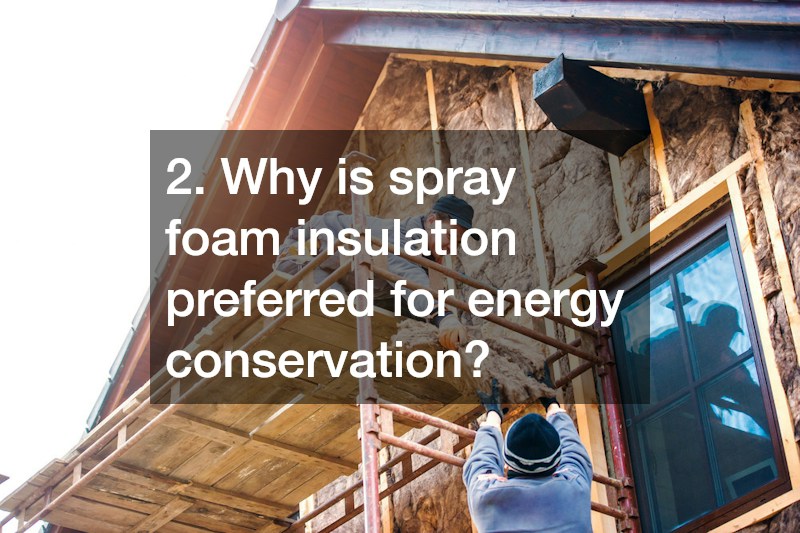
Spray foam insulation offers numerous benefits over traditional insulation methods, such as fiberglass and cellulose. Primarily, it expands upon application, filling even the smallest and unconventional crevices, ensuring no gaps are left behind. This comprehensive coverage significantly enhances thermal retention and reduces energy costs.
The material’s adhesive properties not only provide excellent insulation but also enhance a building’s structural stability. Surfaces treated with spray foam insulation bear the advantage of added strength without surplus weight. This intrinsic strength can enhance the longevity and durability of the walls and structures it is applied to.
Furthermore, spray foam insulation acts as an air, moisture, and noise barrier. This versatility has made it a preferred option among residential insulation contractors who prioritize energy conservation. As a cutting-edge product, it supports healthier indoor environments by minimizing allergen infiltration.
2.2 Application Areas for Maximum Impact
Spray foam insulation is adaptable for various application areas, maximizing energy savings around the entire home. The attic is a critical area, as it is a common spot for heat loss; insulating it properly is vital for improving home efficiency. Moreover, spray foam proves advantageous when applied to basement walls, as these areas are often prone to drafts.
Another significant application area is around plumbing or electrical penetrations and ductwork. Sealing these spaces with spray foam helps maintain consistent home temperatures, reducing dependency on HVAC services. Similarly, insulating seldom-considered areas like crawl spaces can lead to noticeable energy savings.
Furthermore, open-cell spray foam is ideal for soundproofing, making it perfect for home theaters or dedicated family spaces. The ability to both insulate and soundproof highlights the material’s remarkable versatility. This ensures that its utility extends beyond energy savings, contributing to an overall improved quality of living within the home.
2.3 Cost Considerations and Savings
The initial investment for spray foam insulation might be higher than other types, but significant energy savings justify this cost over time. Homeowners typically see a reduction in energy expenses by up to 15-50%, depending on prior energy inefficiencies. The upfront cost is often quickly offset by the substantial subsequent savings on heating and cooling bills.
Additionally, homes with spray foam insulation often fetch higher market prices due to their energy efficiency status. This increases the return on investment, which can be attractive when properties move to resale. Consequently, spray foam insulation is frequently recommended by residential insulation contractors for those considering long-term property value.
Moreover, the maintenance and replacement costs associated with traditional insulation methods are largely absent with spray foam. Its longevity often spans decades, providing lasting returns compared to alternatives that may require regular upkeep. The sustained performance of spray foam delivers both energy efficiency and financial savings, making it a wise long-term investment.
3. What role do residential insulation contractors play?
3.1 Services Offered by Insulation Contractors
Residential insulation contractors offer a range of services to ensure homes remain energy efficient. These contractors assess existing insulation and provide recommendations for improvements, personalized to the specific needs of each home. Their expertise extends across various materials and types, from spray foam to traditional fiberglass and cellulose insulation.
On top of assessments, insulation contractors provide installation services using advanced techniques and tools. They ensure accurate calculations of required insulation material, guaranteeing optimal application and coverage without waste. Their professional knowledge minimizes common errors that could compromise energy efficiency, such as uneven application or missed areas.
Beyond installation, contractors can offer maintenance and repair services to uphold insulation effectiveness. Regular checks can prevent unanticipated energy loss and promote consistent home comfort. In addition, these professionals often have valuable insights into complementary upgrades, such as air sealing and ventilation improvements, that can further energy conservation goals.
3.2 How to Choose a Reliable Contractor
Finding a reliable insulation contractor is crucial for achieving energy efficiency objectives. Start by verifying credentials and certifications, ensuring potential candidates possess the necessary qualifications. Membership in industry bodies and positive reviews are good indicators of professional standards and past client satisfaction.
Experience in the field is another important criterion; seasoned contractors are likely to have encountered a wide range of challenges and solutions. Requesting portfolios or case studies provides insights into their past work and proficiency in managing complex projects. An experienced contractor can offer tailored solutions that optimize energy savings.
Additionally, communication and transparency throughout the project are vital traits of a trustworthy contractor. Discussing costs, timelines, and expected outcomes in detail helps prevent misunderstandings and aligns expectations. Seeking references and directly contacting previous clients can provide further reassurance of the contractor’s reliability and quality of service.
3.3 Getting the Most Out of Your Insulation
Maximizing the benefits of home insulation extends beyond its initial installation. Collaboration with insulation contractors to arrange regular inspections can proactively address issues before they escalate into larger problems. Such ongoing support ensures that insulation maintains its effectiveness over time.
Engaging in complementary practices, like maintaining HVAC services and sealing air leaks, can magnify insulation performance significantly. This holistic approach protects against energy loss and keeps indoor environments comfortable throughout the year. Practical tips from contractors reinforce these habits, aiding homeowners in maintaining energy-efficient homes.
Insulation contractors can also recommend sustainable options that not only offer energy efficiency but also suit environmental preferences. Their advice on selecting eco-friendly materials can reduce a home’s carbon footprint even further. Thus, partnering with knowledgeable contractors empowers homeowners to achieve both financial and environmental goals.
4. How can HVAC services boost your home’s energy efficiency?
4.1 Importance of Regular HVAC Maintenance
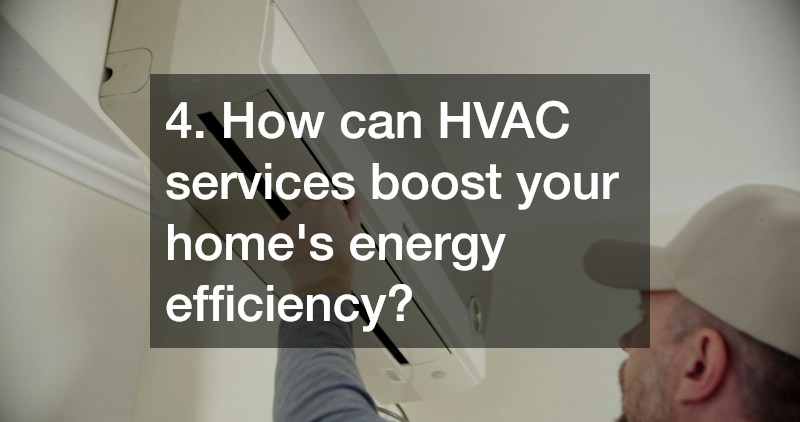
Proper maintenance of HVAC systems is critical to ensuring they operate at peak energy efficiency. Routine checks help identify potential issues early, allowing for timely repairs that prevent costly breakdowns. Regular servicing ensures optimal performance, minimizes energy consumption, and extends system lifespan.
Maintenance activities include cleaning filters, checking refrigerant levels, and inspecting electrical components to ensure everything functions smoothly. By avoiding inefficiencies, well-maintained HVAC systems contribute to consistent indoor climates without energy wastage. This routine care also helps ensure indoor air quality remains high.
An efficient HVAC system also aligns with broader energy-saving measures, complementing other home improvements like insulation. These comprehensive practices help achieve a well-balanced and energy-efficient environment. Integrating these efforts with the help of energy-saving strategies can substantially reduce expenses related to heating and cooling.
4.2 Upgrading to Energy-Efficient Systems
Switching to energy-efficient HVAC systems is a significant step toward boosting home energy efficiency. Modern units are often equipped with technology that allows for precise temperature control, leading to reduced energy consumption. Programmable thermostats and energy-efficient compressors help these systems work smarter, not harder.
Low Seasonal Energy Efficiency Ratio (SEER) ratings are indicative of systems that use less energy for the same amount of cooling compared to older models. Selecting units with higher SEER ratings can lead to noticeable savings on utility bills over time. It’s crucial to weigh the initial investment against long-term savings when deciding on a system upgrade.
Furthermore, installations by qualified professionals are vital for ensuring that the unit operates at its intended efficiency level. Efficiency drops significantly when units are improperly sized or installed, negating potential savings. Recommendations from HVAC services guide homeowners toward the most cost-effective and compatible options.
4.3 Choosing the Right HVAC Service Provider
Choosing the right HVAC service provider is essential for maintaining the efficiency and longevity of your heating and cooling systems. Reputable providers offer a range of services from installation to maintenance, providing a comprehensive support framework for homeowners. They offer expertise in optimizing heating and cooling systems to operate at peak efficiency.
Seek providers with a proven track record in successful installations and reliable after-sales support. Transparent pricing and clear communication are hallmarks of trustworthy service providers, ensuring no surprises arise during project execution. Research and referrals help narrow down providers that align with these qualities.
Moreover, experienced HVAC service providers are able to provide energy audits, pinpointing areas where additional savings can be achieved. They offer insight into cutting-edge technologies and possibly incentive programs that promote energy efficiency. Partnering with such experts can empower you to make informed decisions that enhance your home’s energy efficiency.
5. Are whole house generators energy efficient?
5.1 Benefits of Whole House Generators
Whole house generators offer significant benefits, particularly in ensuring uninterrupted power during outages. This reliability is essential for maintaining continuous operation of critical systems like HVAC services and medical devices. Such stability safeguards not only comfort but also the safety of home environments.
Additionally, these generators provide peace of mind by guaranteeing that essential routines are not disrupted during power failures. They can support the longevity of home appliances by preventing sudden shutdowns or starts that often cause damage. This protection offers long-term cost savings, reducing the frequency of repairs or replacements.
For homes reliant on renewable energy sources, whole house generators can offer a reliable backup. This ensures that even in unpredictable weather, homes remain powered without compromising energy efficiency. The integration of whole house generators into home energy plans supports comprehensive energy-resource management and resilience.
5.2 Selection Criteria for Energy Efficiency
Selecting an energy-efficient whole house generator involves consideration of various criteria to best suit your energy requirements. Assess the generator’s fuel consumption, as high efficiency models use less fuel for equivalent energy production. This translates to lower operational costs and reduced environmental impact.
The load management capabilities of a generator significantly affect its energy efficiency. Seeking models that offer automatic load distribution can optimize power use, prioritizing essential circuits over lower-priority ones in emergencies. Efficient models often have the capacity to scale output to match real-time power demands, reducing unnecessary operation times.
Additionally, exploring renewable fuel options or dual-fuel generators can enhance ecological compatibility. These alternatives add flexibility to fuel sources while maintaining energy efficiency. Consulting with a professional before purchasing can provide tailored recommendations that align with environmental goals and energy needs.
5.3 Installation and Maintenance Tips
Proper installation and maintenance of whole house generators are key to ensuring their energy-efficient operation. Engaging certified professionals ensures that your generator is installed to meet both manufacturer specifications and local regulatory standards. This can enhance performance and ensure safety regulations are met.
Routine maintenance is necessary to keep the generator running efficiently over the long term. Scheduled oil changes, battery inspections, and regular operation tests help identify potential issues before they lead to downtime. Preventive measures like these uphold the generator’s ability to deliver efficient and reliable power during emergencies.
Moreover, an understanding of generator usage best practices enhances operational efficiency. Keeping track of fuel quality and storage conditions can prevent inefficiencies and ensure optimal generator performance. By maintaining this focus, your generator remains an effective part of your home’s energy management strategy, ensuring seamless integration in your energy efficiency plans.
6. How does regular water heater repair affect energy efficiency?
6.1 Signs Your Water Heater Needs Repair
A well-maintained water heater is essential for retaining its energy efficiency. Signs that a water heater requires repair include fluctuations in water temperature, unusual noises, or visible leaks. Addressing these warning signs promptly can prevent energy wastage and avert more substantial issues down the line.
Increased energy bills without an apparent cause might suggest an inefficient water heater. Sediment build-up within the tank can result in reduced efficiency, requiring more energy to heat the same volume of water. Regular inspection by a professional ensures that these inefficiencies are identified and addressed promptly.
Discoloration of water is another red flag, hinting at possible corrosion inside the tank. Attending to these signs immediately can prevent unexpected failures that may necessitate costly replacements. Diligent attention to maintenance helps maintain water heater efficiency, reflecting positively on overall energy consumption.
6.2 Energy-Efficient Water Heater Models
The adoption of energy-efficient water heater models offers considerable long-term savings on utility bills. Tankless models, for instance, eliminate the standby energy loss associated with traditional tanks, heating water on demand and thus significantly improving energy efficiency. Hybrid heat pump models, meanwhile, can also offer energy-saving benefits, utilizing ambient air to reduce heating load.
Choosing a water heater with a high Energy Factor (EF) rating ensures better efficiency, reflecting the actual energy converted into hot water. Retrofitting or replacing old models with high-EF options leads to substantial reductions in household energy consumption. Professional consultation can provide insight into the most suitable models tailored to specific household needs and usage patterns.
Moreover, some models come with smart technology features that allow for scheduling and remote control, further optimizing energy usage. These advancements enable homeowners to manage energy consumption more effectively, aligning heating cycles with daily routines. Investing in such technology not only enhances energy efficiency but also contributes to a seamless and convenient lifestyle.
6.3 Maintenance Tips for Longevity and Savings
The robustness and efficiency of a water heater heavily rely on regular maintenance. Flushing the tank periodically prevents sediment buildup, maintaining efficiency and extending the water heater’s lifespan. Simple maintenance practices such as these directly contribute to energy savings by ensuring optimal operation.
Checking the anode rod annually, for example, can reveal clues about tank integrity, prompting preventative measures if necessary. Replacing corroding anode rods in a timely manner can significantly increase a heater’s lifespan, delaying costly replacements. Engaging professional water heater repair services provides thorough assessments beyond DIY efforts, maintaining peak efficiency and function.
Additionally, insulating hot water pipes and tanks can further enhance energy efficiency by minimizing heat loss. These straightforward yet effective steps ensure that the existing water heater system operates as efficiently as possible. By integrating these measures, energy savings are achievable while maintaining desired comfort levels at home.
7. What is the impact of drain cleaning companies on energy efficiency?
7.1 How Blocked Drains Lead to Energy Loss
Blocked drains can have a surprisingly significant impact on a home’s energy efficiency. Obstructions lead to decreased water flow, causing pressure on plumbing systems and potentially increasing energy use in heating water. Ineffective drainage requires systems to work harder, nullifying efforts to sustain energy savings.
This issue often results in more than just inefficiency; the stress on systems can lead to breakdowns, requiring costly repairs. In severe cases, blocked drains may trigger the malfunction of related appliances such as dishwashers and washing machines, increasing energy and water wastage. Regular maintenance from drain cleaning professionals keeps these potential pitfalls at bay.
Furthermore, periodical drain cleaning helps preserve the functionality of energy-efficient devices. When drainage is smooth, water heating systems can maintain their operations unrestricted by backflows or clogs. Maintaining clear plumbing aligns with an eco-friendly lifestyle by minimizing resource waste and optimizing efficiency.
7.2 Choosing Effective Drain Cleaning Solutions
Engaging professionals for regular drain cleaning ensures that blockages are effectively managed without compromising plumbing systems. Experienced technicians offer efficient, environmentally friendly solutions that precision target clogs, avoiding damage to pipes. Professional cleaning eliminates many taxing drain issues without relying on eco-harmful chemicals.
By contrast, traditional do-it-yourself drain cleaning methods often rely on harsh chemicals that can damage pipes over time. This increases the need for repairs or replacements, inadvertently raising energy expenditure associated with such tasks. Opting for sustainable cleaning solutions reduces environmental harm and minimizes long-term financial costs.
8. How does siding service contribute to energy savings?
8.1 Energy Benefits of Different Siding Materials
Siding plays an important role in protecting a home from outdoor temperatures while supporting overall energy efficiency. Certain materials provide better thermal performance than others, helping reduce the amount of heat that enters a home during summer or escapes during winter. Vinyl, fiber cement, insulated vinyl, and engineered siding can all contribute to improved energy performance when properly selected and installed.
Insulated siding is especially useful for reducing thermal bridging, which occurs when heat passes through framing materials and other parts of the exterior wall. Adding an extra layer of insulation beneath or within the siding system can help stabilize indoor temperatures. As a result, heating and cooling systems may not need to operate as frequently to maintain a comfortable environment.
Homeowners should also consider climate, durability, and maintenance needs when selecting siding. A material that performs well in one region may not be the best choice in another. Working with a siding service can help homeowners compare options and choose materials that support both energy savings and long-term exterior protection.
8.2 Enhancing Insulation with Proper Siding
Siding contributes to energy efficiency most effectively when it works together with a properly insulated wall system. Gaps, cracks, and poorly sealed areas behind siding can allow conditioned air to escape while letting outdoor air enter the home. These air leaks often make heating and cooling systems work harder than necessary.
During siding replacement, homeowners may have an opportunity to improve the insulation beneath the exterior surface. Rigid foam insulation, house wrap, and air-sealing materials can help create a stronger thermal barrier. Improving these components during a siding project may be more convenient than trying to access them after new siding has already been installed.
Proper insulation also helps reduce drafts and uneven indoor temperatures. Rooms located along exterior walls may feel more comfortable when the siding and insulation system limits heat transfer. A well-planned siding service can therefore contribute to both lower energy consumption and improved everyday comfort.
8.3 Professional Siding Installation Tips
Professional installation is essential for maximizing the energy-saving benefits of new siding. Even high-quality materials may perform poorly when installed incorrectly. Contractors should carefully inspect the exterior walls, repair damaged areas, and address moisture or air leakage before installing the new siding.
Correct spacing and fastening are also important. Some siding materials naturally expand and contract as temperatures change, so improper installation can lead to warping, gaps, or cracks. These issues may reduce the effectiveness of the exterior barrier and create new pathways for air infiltration.
Homeowners should ask their siding contractor about insulation options, weather-resistant barriers, and recommended maintenance. Regular inspections can help identify loose panels, damaged seams, and other problems before they affect the home’s energy performance. Investing in proper installation and maintenance allows siding to continue supporting energy efficiency for years.
9. Why is a roofing business vital for maintaining energy efficiency?
9.1 Effects of Roofing on Home Energy Loss
A home’s roof has a major influence on indoor temperature control because it is constantly exposed to sunlight, wind, rain, and changing weather conditions. Damaged roofing materials can allow heat, cold air, and moisture to enter areas that should remain protected. Even small gaps or deteriorated sections may contribute to energy loss over time.
Heat can also accumulate in attic spaces when roofing and ventilation systems are not working properly. During warm weather, excessive attic heat may transfer into the living areas below, forcing air conditioning systems to run longer. In colder months, poor roofing and attic insulation can allow heated indoor air to escape through the top of the home.
A roofing business can inspect these vulnerable areas and recommend repairs or upgrades that improve the building envelope. Addressing leaks, damaged shingles, ventilation problems, and insulation concerns can help homeowners maintain more consistent indoor temperatures and reduce unnecessary energy use.
9.2 Energy-Efficient Roofing Materials
Energy-efficient roofing materials are designed to reduce heat absorption and improve the thermal performance of a home. Reflective roofing products, sometimes referred to as cool roofing materials, can reflect more sunlight instead of absorbing it. This can help keep roof surfaces cooler and reduce heat transfer into attic and living spaces.
Metal roofing is another option frequently considered for energy efficiency because many metal products contain reflective coatings. Light-colored shingles and reflective roof coatings may also provide benefits in warmer climates. The best choice depends on factors such as regional weather conditions, roof design, budget, and the amount of direct sunlight the property receives.
Roofing materials should also be evaluated alongside insulation and ventilation. A reflective roof alone may not solve energy problems if an attic lacks proper insulation or airflow. A roofing business can examine the entire roofing system and suggest improvements that work together to support more efficient temperature control.
9.3 Importance of Roof Maintenance Services
Routine roof maintenance helps preserve energy efficiency by preventing small problems from developing into larger areas of damage. Missing shingles, worn flashing, deteriorated sealants, and blocked ventilation can all reduce the performance of a roofing system. Regular inspections make it easier to identify these concerns early.
Maintenance also helps prevent moisture intrusion. Water entering the roof can damage insulation, reducing its ability to resist heat transfer. Wet insulation may become less effective and can create additional problems inside the attic or walls. Prompt roof repairs help protect both the structural components and the materials responsible for controlling indoor temperatures.
Homeowners should schedule roof inspections periodically and after severe weather. Keeping gutters clear, replacing damaged materials, and maintaining proper attic ventilation can help the roof perform as intended. Consistent attention from a roofing business supports long-term energy efficiency while also extending the service life of roofing components.
10. How can local electricians help in maximizing home energy efficiency?
10.1 Energy Audits and Electrical Upgrades
Local electricians can help homeowners identify electrical systems and devices that may be using more energy than necessary. An electrical evaluation can reveal outdated wiring, inefficient lighting, overloaded circuits, or older equipment that may benefit from replacement. Identifying these areas gives homeowners a clearer picture of where energy improvements can be made.
Electrical upgrades can also support newer energy-efficient appliances and home systems. Older electrical panels may not be designed to accommodate modern heat pumps, electric water heaters, induction cooking equipment, or electric vehicle chargers. Upgrading electrical infrastructure can make it easier to adopt technologies designed to reduce household energy consumption.
Electricians can also recommend improvements based on how energy is used throughout the home. Replacing outdated fixtures, improving electrical controls, and correcting inefficient configurations may lower unnecessary electricity use. These changes can complement insulation, roofing, siding, and HVAC improvements.
10.2 Installing Energy-Saving Devices
Energy-saving devices offer homeowners additional control over how and when electricity is consumed. Smart thermostats, programmable lighting controls, occupancy sensors, dimmer switches, and timers can reduce energy usage by limiting operation when systems are not needed.
LED lighting is one of the simplest electrical upgrades available. LEDs generally use less electricity than traditional incandescent bulbs while providing a longer service life. Replacing frequently used fixtures with LED alternatives can gradually reduce household electricity consumption.
Local electricians can also install smart switches, whole-home energy monitors, and other connected devices. These technologies allow homeowners to monitor usage patterns and identify opportunities to conserve electricity. When paired with thoughtful habits, energy-saving devices can contribute to noticeable improvements in overall efficiency.
10.3 Safety and Efficiency: Working with Professionals
Electrical work requires specialized knowledge because improper installation can create safety hazards and reduce system performance. Attempting major electrical upgrades without the proper experience may result in overloaded circuits, wiring damage, or equipment that does not operate efficiently.
Professional electricians understand current electrical requirements and proper installation procedures. They can evaluate whether existing wiring and electrical panels are suitable for new equipment before completing an upgrade. This helps prevent compatibility problems and allows energy-efficient devices to operate as intended.
Working with local electricians also gives homeowners access to professional recommendations tailored to the property. An electrician can identify practical upgrades while explaining which improvements may provide the greatest benefits for a specific electrical system. Combining professional installation with energy-conscious technology can help homeowners create a safer and more efficient living space.
Improving home energy efficiency often requires more than one renovation or upgrade. Siding, roofing, plumbing, electrical systems, insulation, windows, and other parts of the home all influence how effectively energy is used. Addressing several areas over time can reduce waste while creating a more comfortable and functional property.
Professional home improvement services can help homeowners identify weak points and select upgrades suited to the condition of their homes. Proper siding can strengthen exterior insulation, roofing improvements can limit heat transfer, and electrical upgrades can reduce unnecessary electricity consumption. Each improvement contributes to a broader strategy for managing household energy more effectively.
Homeowners do not necessarily need to complete every upgrade at once. Starting with inspections and addressing the areas responsible for the greatest energy loss can provide a practical path forward. With regular maintenance and carefully planned improvements, homeowners can reduce energy consumption, improve indoor comfort, and support the long-term performance of their homes.