The tension between wanting a beautiful home and ensuring your hard-earned money builds actual equity is a challenge every homeowner faces. It is easy to fall in love with cosmetic trends featured on social media, but the reality of residential real estate is unforgiving. Not all renovations are created equal. While a minor kitchen refresh might return nearly all of its cost at resale, a hyper-personalized hobby room can actually deter future buyers.
Maximizing Your Footprint: High-Yield Interior Overhauls

The Heart of the Home Refresh
The kitchen remains the undisputed focal point of domestic life and the primary driver of a home’s market value. However, the common mistake many homeowners make is executing a total gut renovation when a targeted cosmetic overhaul would yield a far better return on investment. The smartest approach focuses on maximizing visual impact and functional efficiency without altering the core structural footprint of the room.
To keep your expenses under control, prioritize updates that do not require moving major utilities. Changing the location of a sink or dishwasher requires tearing up flooring and opening walls to reroute plumbing, which can easily add thousands of dollars to your invoice without adding a single dollar to your official appraisal value. Instead, focus your budget on high-impact surfaces:
-
Upgrade dated laminate countertops to durable engineered quartz or classic granite.
-
Retain original, solid wood cabinet boxes and simply replace or paint the doors and drawer fronts.
-
Install a modern, neutral tile backsplash that protects walls and ties the color scheme together.
When executing these updates, collaborating with a professional home remodeling service ensures that structural changes, permitting, and material selections are handled correctly from day one, saving you from costly rookie mistakes.
Turning the Primary Bath into a Sanctuary
Bathrooms are high-moisture, high-traffic spaces where wear and tear become apparent faster than anywhere else in the house. A premium primary bathroom upgrade acts as a major selling point because it taps into the universal desire for a private, spa-like retreat at the end of a long day.
When planning this space, prioritize low-maintenance luxury and universal design principles. Homeowners frequently make the mistake of installing massive, deep soaking tubs that take up prime real estate, only to realize they rarely use them. Modern buyers overwhelmingly prefer an expansive, beautifully finished walk-in shower over a bulky tub. If you are forced to choose due to space constraints, sacrifice the tub to create a larger shower enclosure.
-
Incorporate dual vanities with undermount sinks to ease morning routines for couples.
-
Install large-format porcelain tiles on the walls and floor to minimize grout lines and simplify cleaning.
A successful bathroom renovation relies entirely on flawless waterproofing and precision plumbing. Investing in high-quality tile backer boards and advanced anti-fracture membranes will prevent hidden water leaks that could ruin your subflooring and lower-level ceilings years down the road.
Curb Appeal and Functional Outdoor Living
Building Seamless Indoor-Outdoor Transitions
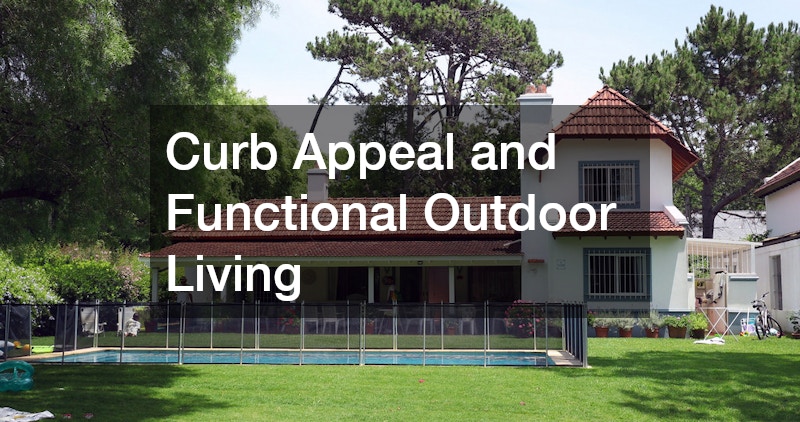
The definition of usable square footage has evolved dramatically. Homeowners no longer view the backyard as just a patch of grass to mow; they see it as an extension of their interior living space. Creating a fluid transition from your indoor living room or kitchen to an outdoor relaxation zone effectively expands your footprint without the extreme costs associated with building a traditional home addition.
To achieve a truly seamless transition, pay close attention to the threshold of your back door. If there is a large, awkward drop-off to the outside, the spaces will always feel disconnected. Designing a transition where the exterior floor sits flush, or nearly flush, with your interior flooring tricks the brain into viewing the two areas as a single, massive room.
-
Opt for wide sliding or bi-fold glass doors that maximize natural light and views.
-
Keep the furniture styling consistent across both spaces to maintain visual continuity.
Bringing this type of structural vision to life requires specialized expertise. Partnering with a skilled local deck builder allows you to navigate local zoning laws, property setback requirements, and structural load calculations safely while selecting weather-resistant materials that can withstand your regional climate.
Hardscaping for Low-Maintenance Entertaining
While wood and composite decks provide excellent elevated platforms, ground-level hardscaping offers an incredibly durable, low-maintenance alternative for creating distinct outdoor zones. Hardscaping reduces the amount of lawn you need to fertilize and mow, while providing a rock-solid foundation for heavy outdoor furniture, kitchens, and fire pits.
The critical phase of any hardscaping project is sizing the area accurately before any material is poured or laid. A common regret among homeowners is building an outdoor area that feels cramped once a dining set and a grill are introduced. As a rule of thumb, a standard outdoor dining table with six chairs requires a flat clearance zone of at least twelve by twelve feet just to allow guests to pull out their chairs and walk around safely.
-
Incorporate built-in seating walls along the perimeter to maximize guest capacity without adding clutter.
-
Design dedicated zones for cooking, dining, and lounging to establish a natural flow.
If you want the sophisticated look of premium natural stone or intricate pavers without the premium price tag, opting for a stamped or stained concrete patio is an exceptional alternative. This approach provides a monolithic, weed-free surface that can be customized to mimic luxury textures at a fraction of the material and labor costs.
High-ROI Structural and Envelope Upgrades

Securing the Home’s First Line of Defense
It is easy to get excited about new countertops or backyard decks, but the structural envelope of your home must always take priority. A gorgeous interior means absolutely nothing if water is silently leaking through your ceilings, destroying your drywall, and fostering toxic mold growth. Real estate inspectors and savvy buyers look at the age and condition of the roof before they look at anything else.
When budgeting for a roof replacement, do not make the mistake of focusing exclusively on the visible shingles. The longevity of your roof depends entirely on the hidden components underneath. High-quality synthetic underlayments, proper drip edges, and self-adhering ice and water shields in the roof valleys are the real heroes that protect your home from wind-driven rain and ice dams.
-
Ensure your attic ventilation system is balanced with proper soffit and ridge vents to prevent heat buildup.
-
Choose impact-resistant shingles to protect your home from severe weather and lower your insurance premiums.
Because a roof installation is incredibly labor-intensive and legally regulated, you must vet your contractors carefully. Working with a licensed, manufacturer-certified roofer ensures that the installation meets strict guidelines, which unlocks extended, transferable warranties that add substantial value when you eventually sell the property.
Defining Boundaries and Boosting Privacy
A secure property line is a massive selling point that instantly boosts curb appeal and emotional security. For families with young children or pets, a fully enclosed yard is often a non-negotiable requirement when house hunting. Beyond security, proper boundary definition establishes distinct visual lines that make your property look neat, organized, and well-maintained.
Before you break ground on a boundary project, you must complete your due diligence. Never guess where your property line sits; hire a licensed surveyor to flag your exact boundaries to avoid legal disputes with neighbors. Additionally, check your local municipal codes regarding height restrictions and material limitations, as many neighborhoods limit backyard barriers to six feet.
-
Select materials that match the architectural style of your home, such as classic cedar or modern vinyl.
-
Set posts deep into the ground using concrete to ensure the structure can withstand high winds.
Digging post holes and ensuring a perfectly straight, level perimeter across uneven terrain is physically punishing work that requires specialized machinery. Hiring a professional fence contractor ensures that your posts are set securely below the regional frost line so your boundary investment remains perfectly straight and functional for decades.
Future-Proofing and Energy Infrastructure
Offsetting Utility Costs with Clean Energy
As municipal electricity rates continue to climb across the country, energy independence has transformed from a niche environmental trend into a core financial strategy for homeowners. Upgrading your home to generate its own clean power is one of the most effective ways to lower your monthly overhead and protect your household from future energy price shocks.
Before investing in clean energy hardware, you must conduct a thorough analysis of your local utility company’s policies, specifically regarding net metering. In regions with favorable net metering laws, any excess electricity your home generates during the peak afternoon sun can be fed back into the municipal grid, earning you credits that offset the power you draw at night. This dynamic dramatically shortens the timeline required for the upgrade to pay for itself.
-
Trim or remove overhanging tree branches that cast shadows on your roof during peak sunlight hours.
-
Pair your generation system with a smart home energy monitor to track your real-time consumption.
The physical integration of energy hardware requires working on heights and handling high-voltage electrical panels. Scheduling a professional solar panel install immediately following a roof replacement is the smartest logistical move, as it ensures your roof wrapper lasts as long as the generation hardware, saving you from paying double labor down the road.
Safeguarding Against Climate and Grid Unpredictability
The reliability of the modern electrical grid is facing unprecedented challenges from severe weather events and increased demand. A sudden, prolonged power outage does more than just throw your home into darkness; it can cause thousands of dollars in collateral damage by shutting down your sump pump, spoiling hundreds of dollars of food, and disabling home security systems.
To fortify your home against grid vulnerability, you must understand the difference between emergency backup options. Small, portable units require you to run extension cords through open windows in the middle of a storm, and they can only power a few minor appliances. For true protection and hands-off operation, a whole-house standby system is the gold standard.
-
Determine your critical electrical loads, such as your well pump, refrigerator, and heating system.
-
Select a system fueled by your existing natural gas or liquid propane line for an uninterrupted fuel supply.
These sophisticated systems tie directly into your home’s main electrical panel via an automatic transfer switch. Safely routing these lines requires an expert hand, which is why permanently installed home generators must be set up by certified professionals who can ensure the system kicks on safely within seconds of a grid failure.
Long-Term Hardscaping and Infrastructure
Restoring and Upgrading Your Property’s Entryway
Your driveway is the literal welcome mat of your property. It is the very first thing visitors and appraisers see when they pull up to your home. A cracked, crumbling, or stained driveway immediately creates a negative first impression, signaling to onlookers that the rest of the property might be suffering from deferred maintenance as well. Conversely, a smooth, pristine entryway instantly elevates the perceived value of the entire estate.
When restoring or replacing a driveway, the most critical phase of the project is entirely invisible once the job is finished: the base preparation. A driveway is only as good as the compacted aggregate foundation beneath it. If a contractor skims on the crushed stone base or fails to compact the subsoil properly, the surface material will inevitably sag, shift, and crack within two winters under the heavy weight of vehicles.
-
Ensure the surface is engineered with a slight slope to direct rainwater away from your foundation.
-
Seal the finished surface regularly to protect it from automotive fluids, UV rays, and water penetration.
Achieving a perfectly smooth, durable finish requires heavy machinery and precise thermal management of materials. Enlisting a reputable paving company ensures that your base preparation, material thickness, and compaction density are executed to commercial standards, keeping your home’s entryway functional and beautiful for twenty years or more.
Evaluating High-End Lifestyle Amenities
When you move beyond core structural upgrades, you enter the realm of luxury lifestyle amenities. These projects should be approached with a slightly different mindset than a roof or a kitchen refresh. You should view high-end recreation amenities primarily as an investment in your physical health, mental well-being, and family memory-making, with financial equity serving as a secondary benefit.
If you decide to add a major aquatic feature to your property, your climate and maintenance tolerance should dictate your configuration choices. In regions with distinct seasonal shifts, incorporating an integrated heating system is a wise choice because it can extend your usable swimming season by several weeks in both the spring and autumn. Furthermore, choosing advanced saltwater sanitizing systems over traditional chlorine setups will reduce ongoing chemical expenses and provide a gentler swimming environment for your skin and eyes.
-
Maintain a balanced layout that preserves enough green space for children, pets, and landscaping.
-
Incorporate automated safety covers to protect loved ones and keep out falling leaves.
Navigating the complex engineering of excavation, steel reinforcement, shotcrete application, and water filtration requires a specialist with a proven track record. Working with an elite pool builder ensures that the deep excavation doesn’t compromise your home’s foundation or disrupt underground utility lines, giving you an outdoor oasis that operates flawlessly.
As you plan your upcoming renovation timeline, remember that successful home preservation is a sequential journey. Address your critical structural needs and mechanical infrastructure first to ensure your home is completely protected from the elements. Once that foundation is secure, you can confidently invest in high-traffic interior spaces and luxury outdoor amenities, knowing that your capital is backed by sound planning and enduring value.